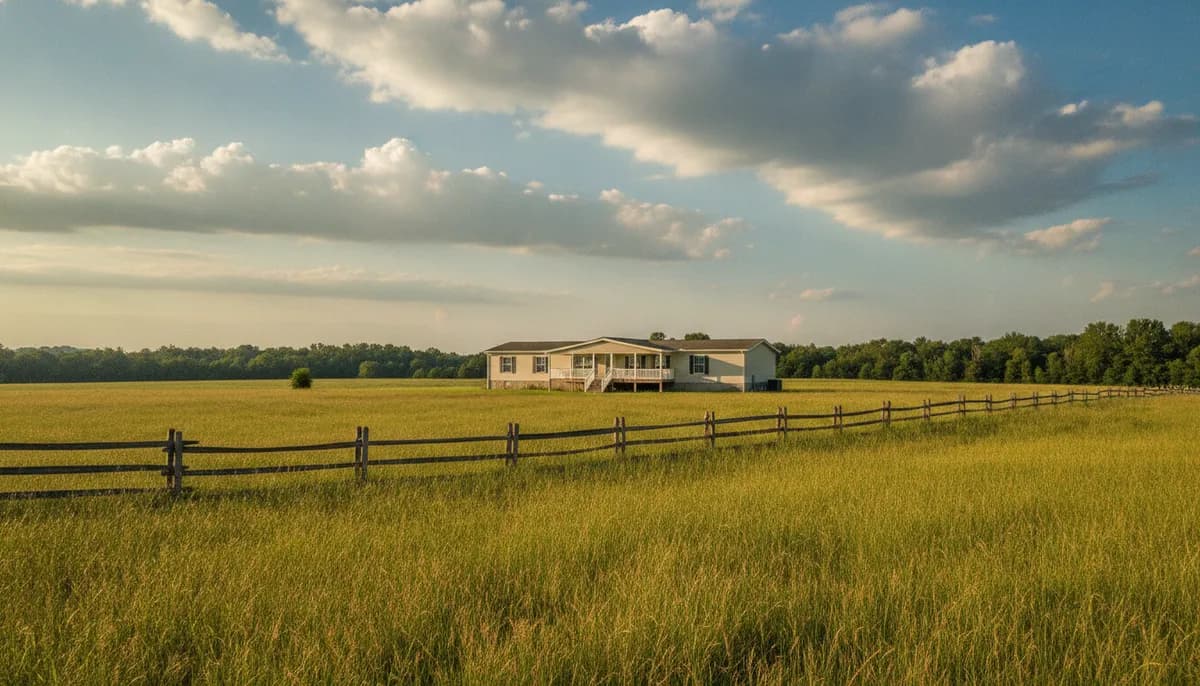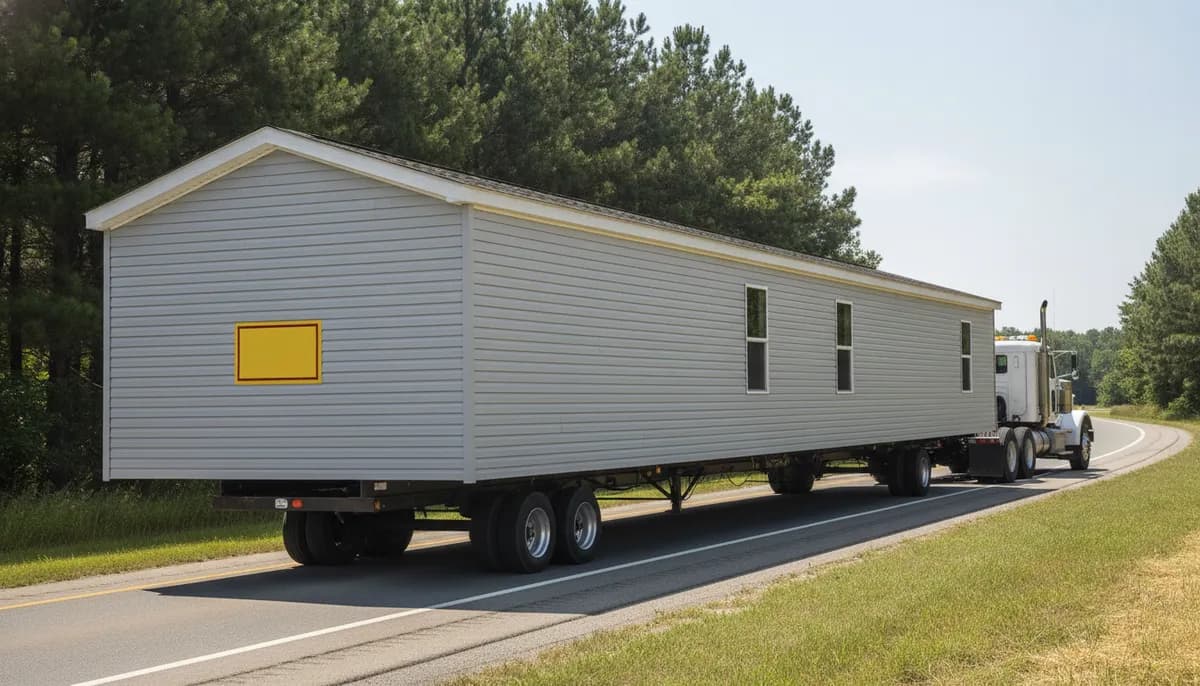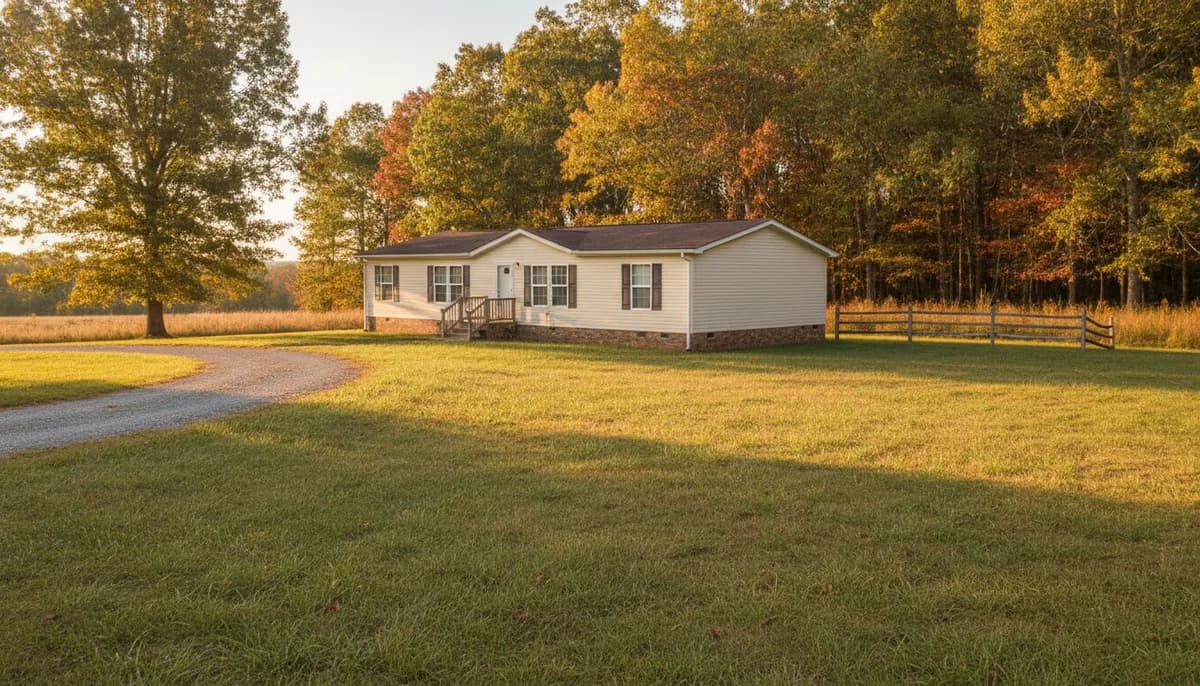
Virginia is a genuinely difficult climate for manufactured homes, and it is difficult in ways that are predictable.
The state runs humid through long summers, cycles through freeze and thaw repeatedly in winter rather than staying frozen, and has extended damp shoulder seasons in spring and autumn. That combination attacks manufactured homes at specific points, and after enough of these sales you can usually guess what you will find before you look.
Understanding what actually fails, and what a buyer adjusts for, is what lets you decide whether to repair or to sell as-is.
What Virginia's climate does to these homes
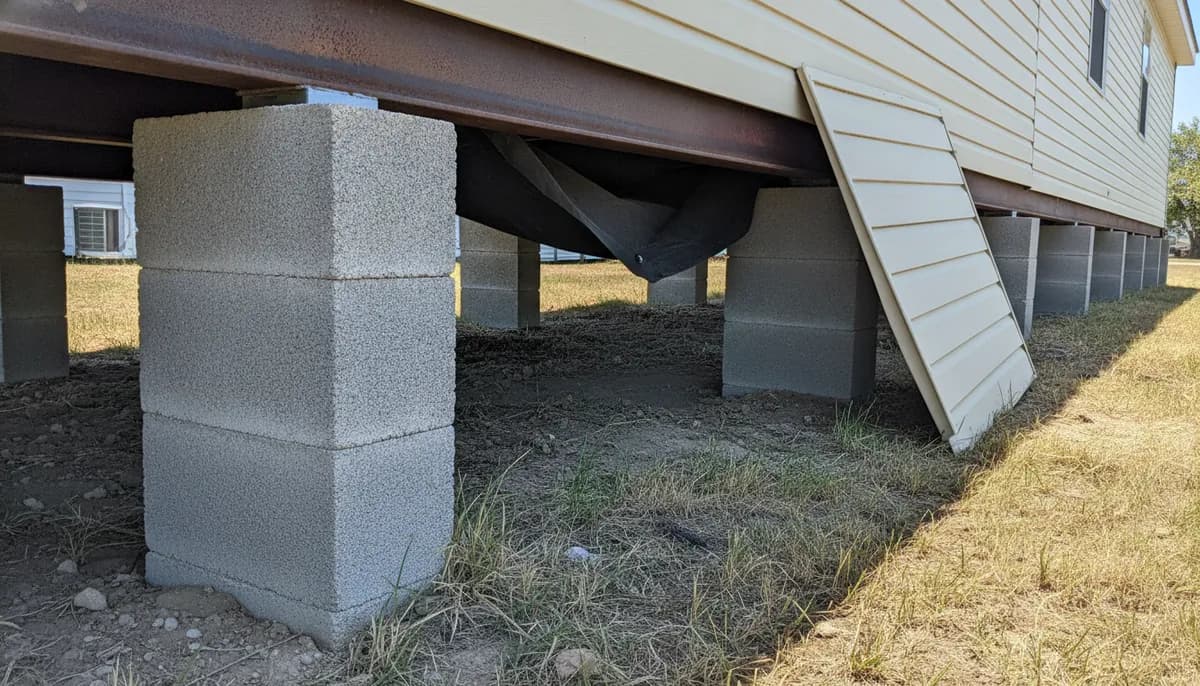
The underbelly. The vapor barrier stretched under the floor is the single most consequential component most owners have never looked at. Once it tears, insulation gets wet and stays wet, the floor decking above it begins to deteriorate, and animals get in and make it worse. Humidity means it does not dry out between seasons.
A torn belly wrap is cheap to repair and expensive to ignore. The damage it causes upstream, in subfloor and joists, is what costs real money.
The roof. Older manufactured homes frequently have low-slope or nearly flat metal roofs that were designed to be recoated periodically. When the coating is not maintained, seams open, water tracks along the roof rather than running off, and it enters at the ends of the home first. Many owners never recoat because nobody told them it was maintenance rather than a one-time thing.
Crossover ducts. The flexible duct connecting the two halves of a doublewide runs underneath the home. It sags, tears, or comes loose. When it does, you are heating and cooling the crawl space. Owners typically notice as a mysterious rise in utility bills and a room that never gets comfortable, without connecting it to a duct they cannot see.
Leveling and piers. Ground moves with freeze and thaw. Homes settle unevenly. The symptoms show up as doors that stop latching, windows that bind, cracks at drywall corners, and sloped floors. Re-leveling is routine maintenance on these homes and is often deferred for years.
Plumbing under the floor. Supply lines running through an unheated crawl space freeze. Older homes may still have polybutylene supply piping, which has a documented history of failure and which some insurers treat unfavorably.
How a cash buyer actually prices condition
There is no mystery to it, and it is worth understanding because it explains offers that otherwise feel arbitrary.
A buyer is adding up three things:
- The cost to repair, at contractor rates, not what it would cost you to do it yourself on a weekend.
- The carrying cost while repairs happen, which includes lot rent or taxes, insurance and utilities for however long the work takes.
- A risk allowance for what cannot be seen yet. Water damage in a manufactured home is rarely limited to where it is visible. A soft spot in one corner of a floor usually means the subfloor is compromised over a wider area than the soft spot suggests.
That third item is why visible water damage produces a bigger adjustment than the repair estimate alone would imply. The buyer is pricing the uncertainty, not just the patch.
Which repairs tend to return more than they cost
Some. Not most.
Usually worth doing:
- Stopping an active leak. Not replacing the roof, just stopping water from entering. Every week of continuing intrusion increases the eventual damage and the buyer's risk allowance.
- Repairing the belly wrap if the floor is still sound. Cheap, and it stops the clock on the expensive failure.
- Clearing out and cleaning. Not a repair, but an empty clean home lets a buyer see the actual condition rather than assume the worst about what they cannot see. Assumptions favor the buyer.
- Making it accessible. If a buyer cannot get under the home to inspect, they price as though the worst is true.
Usually not worth doing before a sale:
- Cosmetic updating. New flooring over a compromised subfloor is money spent hiding the thing the buyer most needs to evaluate, and an experienced buyer will find it anyway.
- Full roof replacement. Large outlay, and it rarely returns its cost in the sale price of an older home.
- Kitchen and bath remodels. These return poorly on manufactured homes generally, and worse on older ones.
- Anything you would be financing. Borrowing to renovate a home you are about to sell rarely works out.
The general pattern: repairs that stop ongoing damage or that let a buyer see what they are buying tend to pay for themselves. Repairs that improve appearance tend not to.
The condition issues that close doors entirely
Some problems do not reduce the price so much as eliminate categories of buyer.
- Structural floor damage will fail most lender inspections, which removes financed buyers.
- Active mold can remove financed buyers and some cash buyers.
- A home built before 15 June 1976 is already outside most institutional lending regardless of condition, as covered in our financing guide.
- A home that cannot pass a community's condition standards cannot be sold in place to a buyer who wants to keep it there, whatever its price.
If your home has any of these, the realistic market is cash buyers, and repairs generally will not change that. That is useful to know before spending money trying.
Deciding honestly
Two questions.
First: is anything actively getting worse? Water entering the home, a failed belly wrap over a still-sound floor, a plumbing leak. These have a compounding cost and are usually worth stopping regardless of what you decide about selling.
Second: would the repair move the home into a different buyer category? If fixing the floor turns an unfinanceable home into a financeable one on owned land, that is a genuine change in your buyer pool and may be worth the outlay. If it just makes an unfinanceable home a slightly nicer unfinanceable home, it usually is not.
Everything else is a judgment call about your own time, money and tolerance for the process.
If you would rather not do any of it
Selling as-is is a legitimate choice, not a failure. You accept a lower number in exchange for not managing contractors, not carrying the home while work happens, and not discovering mid-project that the damage was larger than it looked.
We buy manufactured homes across Virginia in any condition, including homes with structural damage, water damage, and homes nobody will finance. We will also tell you plainly when your home is in good enough shape and clean enough title that you would do better listing it on the open market.
Send us the details, including photos of the roof and under the home if you can get them safely, and we will give you a straight read.
This article is general information about manufactured home construction and maintenance. It is not a substitute for inspection by a qualified professional. Conditions and costs vary by home, and some issues described here require licensed trades to diagnose correctly.
Sources: HUD Manufactured Housing Program; HUD Model Manufactured Home Installation Standards, 24 CFR Part 3285