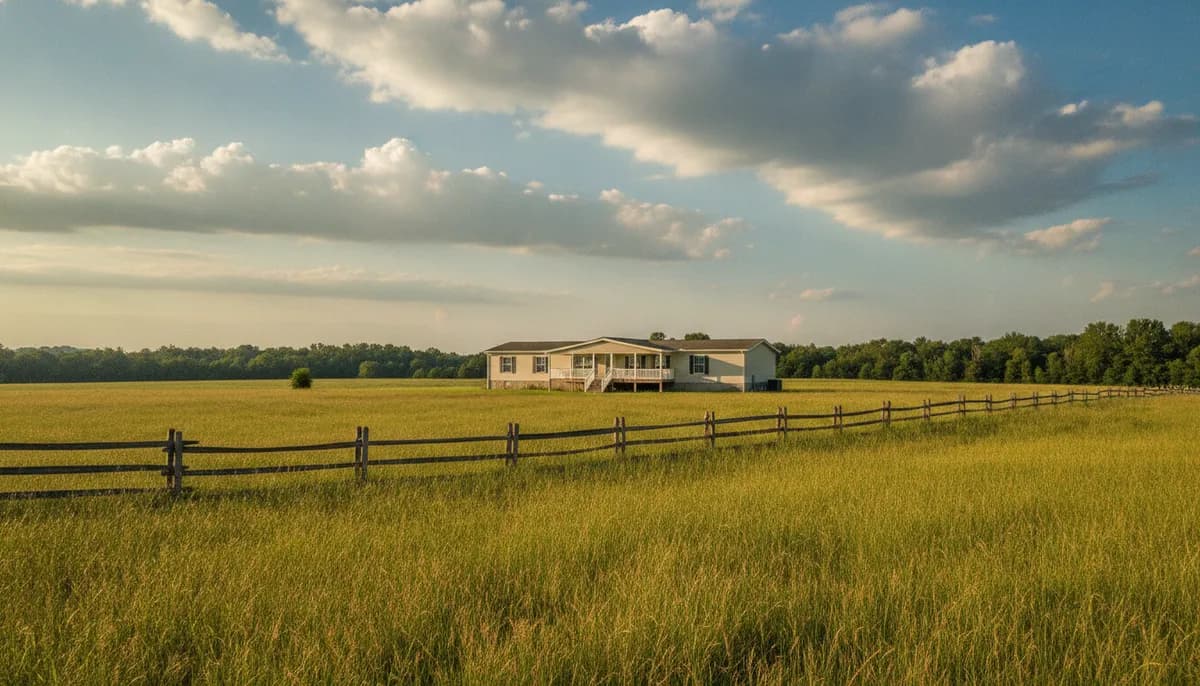
Virginia is a genuinely varied state. It stretches from the Atlantic to the Kentucky border, contains one of the wealthiest suburban regions in the country and some of the most rural counties on the east coast, and its manufactured housing market changes character several times between the two.
We buy across the whole state, and the regional differences are real enough that the same home in the same condition can face very different demand depending on where it sits.
Here is how the regions actually behave.
Northern Virginia
High land values, intense development pressure, and relatively little manufactured housing on private land remaining. What exists tends to be in established communities, and those communities sit on land that is worth a great deal for other uses.
For sellers: demand for the homes themselves is real, because the region is expensive and manufactured housing is one of the few attainable options. But community-sited homes carry the risks that come with valuable underlying land, including redevelopment. Where a home sits on private acreage, the land usually dominates the value.
The Fredericksburg corridor
Covered in detail in our regional guide. In short: commuter growth pushed land values up faster than home values, and county rules differ meaningfully across Spotsylvania, Stafford, Caroline and King George.
Richmond and the surrounding counties
The most balanced market in the state. Richmond itself plus Chesterfield, Henrico, Hanover and the rural counties beyond them produce a genuine mix of community-sited and land-sited homes, and a buyer pool with real depth at multiple price points.
For sellers: Richmond is often the region where a well-maintained, post-1976 home on owned land has the best chance of finding a financed buyer rather than only a cash buyer. Depth of demand is the advantage here.
Hampton Roads
Norfolk, Virginia Beach, Chesapeake, Newport News, Hampton, Portsmouth and Suffolk. Dense, military-influenced, and coastal.
Two factors dominate:
Flood exposure. Much of the region is low-lying and parts experience recurrent tidal flooding. Flood zone status affects insurance cost, which affects what a buyer can afford, which affects your price. A buyer's insurance quote can change the economics of a deal late in the process.
Military turnover. A continuous cycle of arrivals and departures produces steady demand for affordable housing and a buyer pool with predictable timing pressure, which can work in a seller's favor.
Wind and hurricane exposure also matters. Manufactured homes carry wind zone designations from the factory, and coastal siting requirements are not the same as inland.
The Shenandoah Valley
Winchester south through Harrisonburg, Staunton and Roanoke, along the I-81 corridor. Agricultural, with university towns and a manufacturing base.
Manufactured housing on private land is common and generally well accepted. Land is more affordable than the eastern corridors, which means the home retains a larger share of total property value than it does around Fredericksburg or Northern Virginia. That makes condition matter more here, in proportion.
Southside Virginia
The counties along the North Carolina border, from Danville and Martinsville east toward Emporia. Historically tobacco and textiles, both long since contracted, and among the more economically challenged parts of the state.
For sellers: manufactured housing is a large share of the housing stock, land is inexpensive, and buyer pools are thinner. Homes can take longer to sell, and cash is more often the practical route because fewer buyers qualify for financing. Honest expectations matter more here than anywhere else in the state.
Southwest Virginia
Beyond Roanoke toward Bristol, Abingdon, Wise and the coalfield counties. Mountainous, rural, and shaped by the long decline of coal employment.
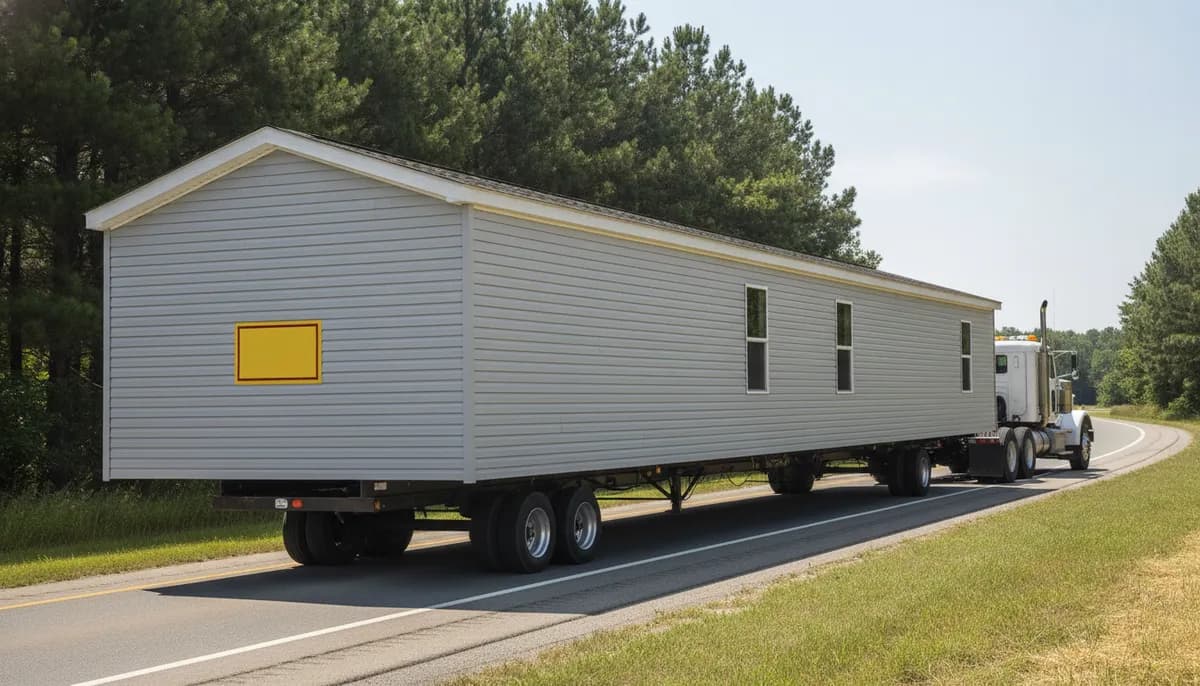
Manufactured housing is a substantial part of the housing stock. Terrain is a genuine practical factor: steep sites, difficult access roads, and a real constraint on whether a home can be moved at all. Our article on relocation covers why route difficulty drives cost, and in this region it drives it hard.
For sellers: thinner buyer pools, more cash transactions, and a genuine possibility that a home cannot practically be relocated even if someone wanted it.
The Eastern Shore
Accomack and Northampton counties, across the bay. Small, rural, agricultural and tourism-influenced, with a market of its own and limited depth.
What actually travels across all regions
Regional character sets the ceiling. These four things decide whether you can reach it, and they matter everywhere:
- Titled or converted to real property. This determines whether a mortgage is possible. It is the biggest single lever on your buyer pool in every region. See our guide to the difference.
- Built before or after 15 June 1976. Pre-HUD-Code homes are outside most institutional lending regardless of location.
- Clean title with no unreleased liens. The most common hidden blocker we encounter, and it does not care what region you are in.
- Condition, particularly the roof, the floor and the underbelly. Covered here.
A home with all four in good order sells reasonably well almost anywhere in Virginia. A home with problems in all four is a cash sale in every region, and the regional difference only shows up in the number.
Where regional differences genuinely change the decision
In stronger markets (Richmond, Hampton Roads, the Northern Virginia and Fredericksburg corridors) it is more often worth investing in clearing title, completing a conversion, or making targeted repairs, because there is a financed buyer pool waiting on the other side to reward it.
In thinner markets (Southside, Southwest, the Eastern Shore) that same investment may not have anyone to reward it. The realistic buyer pool is cash regardless, so spending to reach a financed buyer who is not there is money that does not come back.
That is the practical use of knowing your region: not what your home is worth, but whether the work of improving your position will actually pay.
Statewide, and honest about it
We buy manufactured homes throughout Virginia, in every region described here, in every condition, including homes no lender will finance and homes with title problems that have sat unresolved for years.
We will also tell you when your home and your region mean you would do better listing on the open market. In Richmond, Hampton Roads and the northern corridors, for a converted home in decent shape, that is frequently the right answer, and we would rather say so than waste your time.
Tell us where the home is and what shape it is in and we will give you a straight read on your realistic options.
This article describes general regional market conditions and is not legal, tax or real estate advice. Local zoning, flood designations, permitting and market conditions vary and change. Confirm anything specific with the relevant local authority or a licensed professional.
Sources: HUD Manufactured Housing Program; Code of Virginia section 46.2-653.1; Virginia Housing